 English
 Čeština
 Announcements
Continuum Tracker Opens Sales to Product Builders Across the EU
Continuum Tracker is now on sale across the EU. Give it your vision and it autonomously specifies, ranks and plans the features your coding agents build.
We connect AI with financial and product frameworks, metrics, and real-world product development experience using platform data. Continuum Tracker AI works with over 200 prioritization and innovation methods and can learn from the market, so you can focus on product strategy rather than searching for information.
On the public blog, you'll find a selection of articles. A larger database of articles is available directly on the platform—either as standalone AI articles or contextually linked outputs.
Our platform contains all of this product knowledge within its artificial intelligence.
AnnouncementsContinuum Tracker is now on sale across the EU. Give it your vision and it autonomously specifies, ranks and plans the features your coding agents build.
 Announcements
We have met many founders while attending the Start-up Disrupt 2026 meet-up.
 Prioritization frameworks
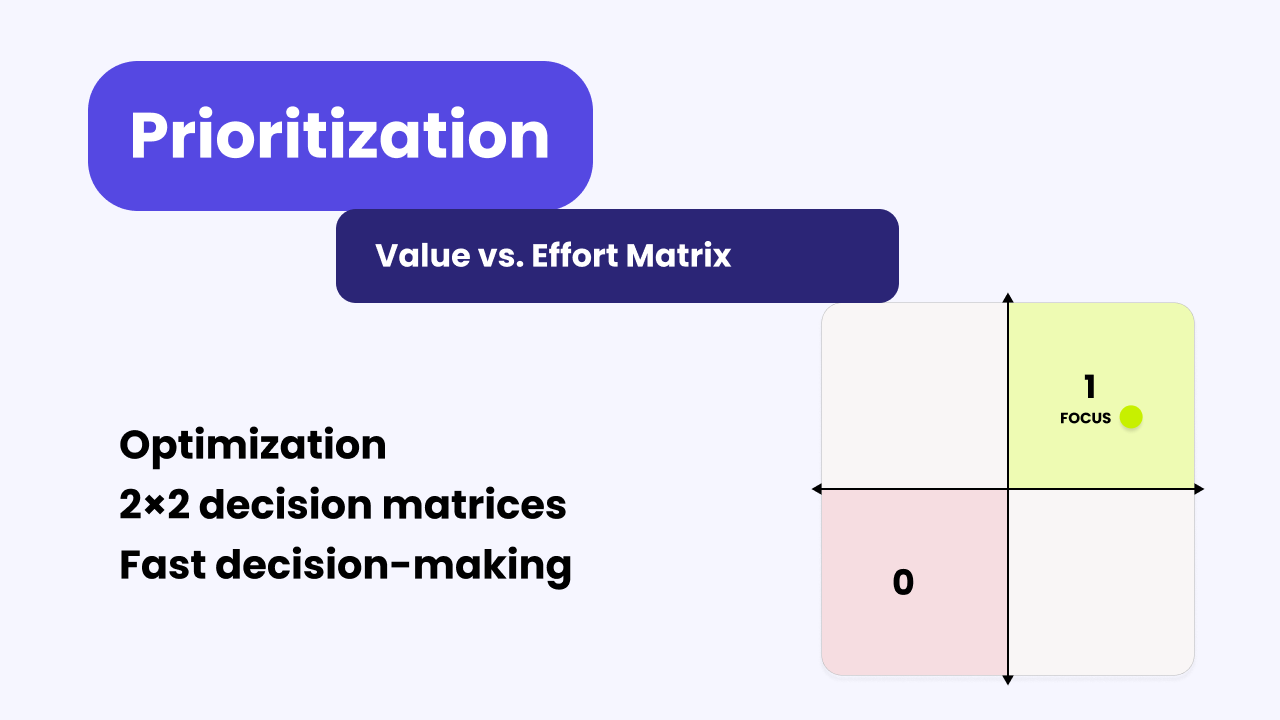
A decision-making 2x2 matrix based on estimating the impact and effort of building a product.
 Innovation frameworks
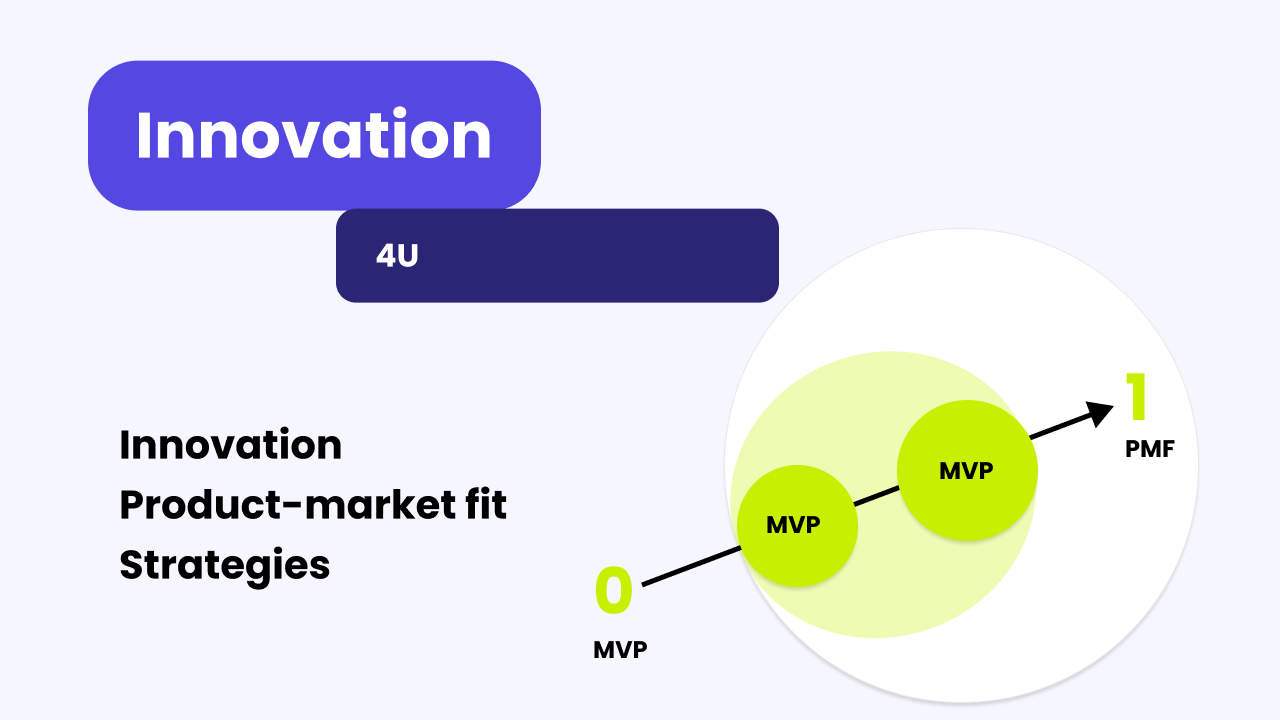
Identifying problems that are worth solving using the 4U framework.
 Innovation frameworks
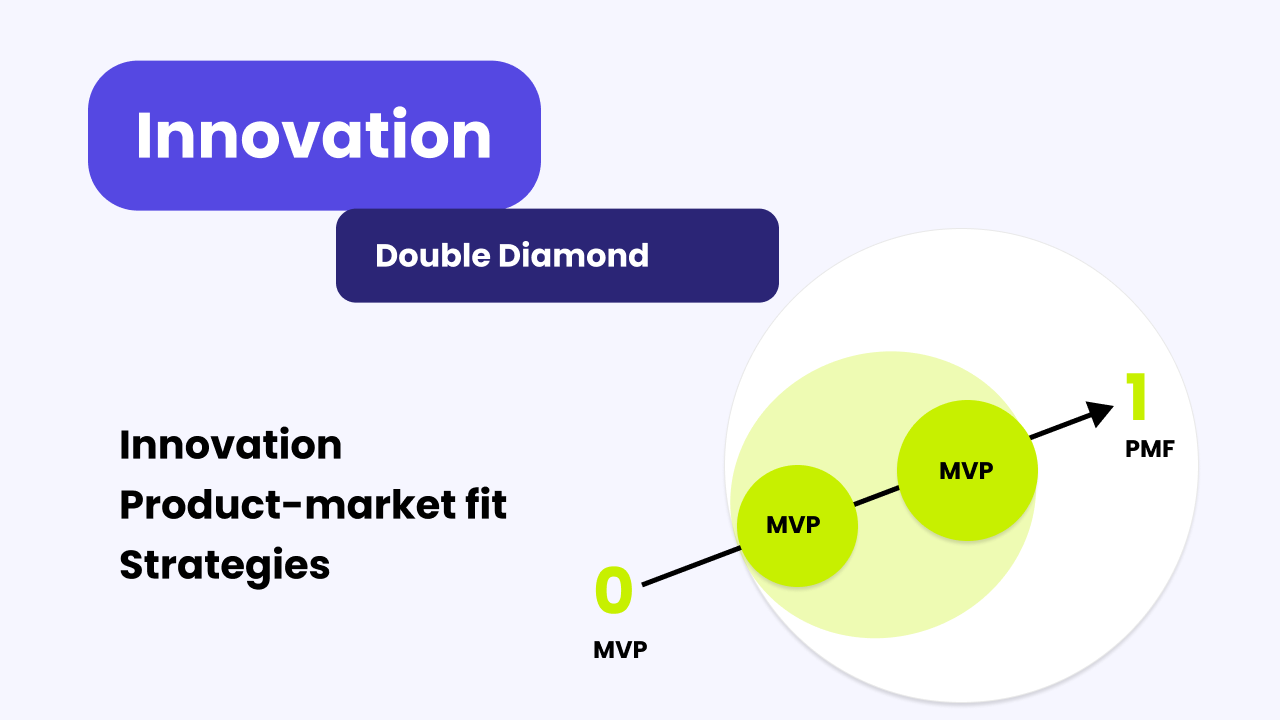
The Double Diamond innovation framework for structured thinking.
 Experiments
We're building a comprehensive knowledge library about product development as part of our mission. The library is for anyone looking to make better decisions —…
 Experiments
Validating message clarity using the Five Second Test experiment method.
 Experiments
Validating willingness to pay for a product using the Crowdfunding experiment.
 Experiments
Validating market demand for a product with the Video Demo experiment.
 Experiments
Validating subconscious opinions using the Focus Group method
 Announcements
We’ve been nominated to the TOP 60 start-ups from 1,600 for a pitch competition organized by EU-Startups.com.
 Experiments
Final product quality validation before public launch using the Beta Testing experiment.
 Experiments
A manual, high-touch experiment where you personally deliver the service to early users — proving real demand and willingness to pay before writing any code.
 Experiments
A clickable prototype wires your screens into a live flow and tests on 5–8 users whether they can complete a task before any code exists. Behavior decides, not…
 Experiments
First Click Test reveals where users click first when completing a task. A correct first click roughly doubles the chance of success, so the method quickly sho…
 Experiments
The Impersonator rebrands an existing competitor's product as your own and offers it to potential customers. This allows you to rapidly test market demand, pri…
 Announcements
We showcased Continuum Tracker as a platform that enables extremely fast and precise product discovery.
 Experiments
A no-code prototype assembles a working product from off-the-shelf services connected by automation. Validates demand, willingness to pay, and economic feasibi…
 Experiments
Offer potential customers a small sample of your product's value for free and validate genuine interest before building the full version. The Offer a Sample me…
 Experiments
An in-app survey asks one short question at the exact moment of user behavior. Find out where a customer actually came from, why they dropped off, or where the…
 Announcements
We’ve been selected for the finals of the Wolves Summit Startup Pitch Competition in Warsaw. We’ll be presenting on stage on April 22, 2026, in front of 200+ a…
 Experiments
Move your product team in with the customer and learn their needs from the inside. The Move in With the Customer method validates the desirability of a B2B pro…
 Experiments
Try it Yourself is a simple validation method — you use the product yourself the way a user would and feel the flaws firsthand before investing more in develop…
 Experiments
Learn when and how to run a multivariate test, with the Obama campaign case study that lifted sign-ups by 40.6%.
ExperimentsNet Promoter Score measures loyalty with a single question on a 0–10 scale: it splits customers into promoters, passives, and detractors and reveals where sati…
 Experiments
Test real demand before you invest in a permanent operation — the Pop-Up Store delivers a complete service in one place over a short period and measures whethe…
 Experiments
One question that measures whether a product is indispensable to its users. If at least 40% of them would be "very disappointed" to lose it, it's time to scale.
 Experiments
The Test Market method is most effective when the primary cost of a product is not in developing its core functionality, but in scaling it to a broad audience.…
 Innovation frameworks
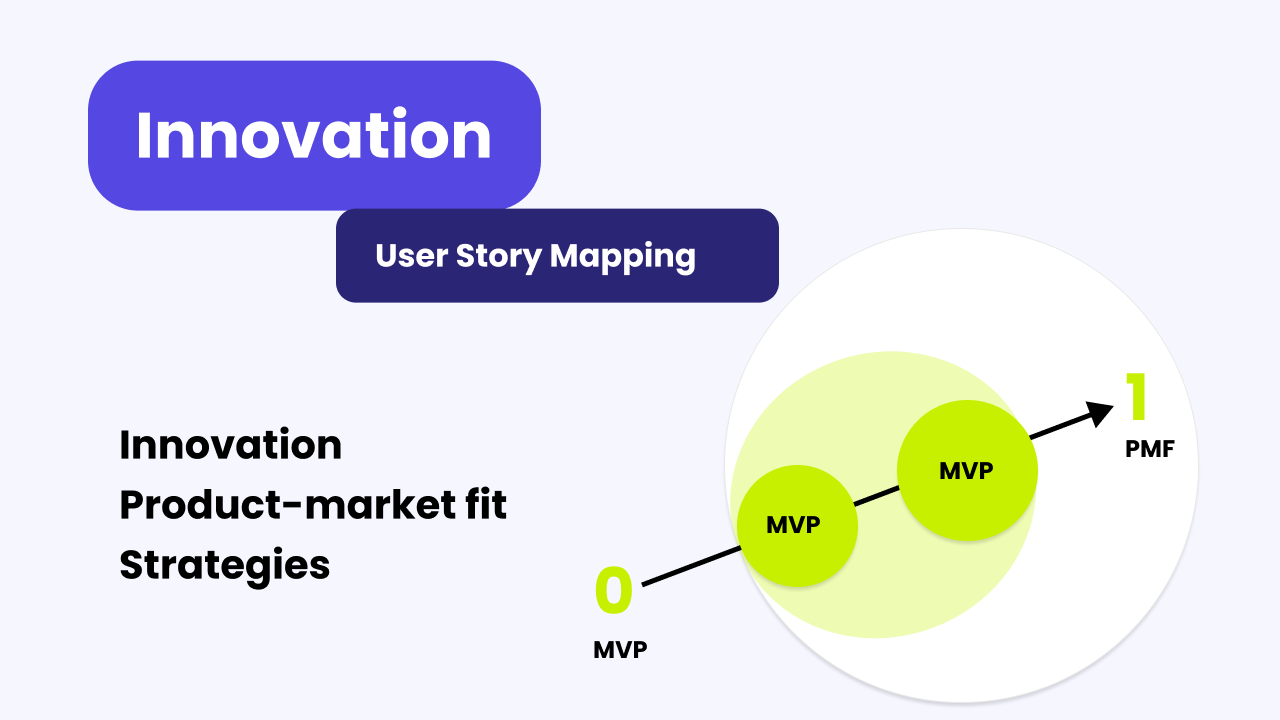
Prioritizing and visualizing the value of features for users with the User Story Mapping framework
 Experiments
Remote User Testing has real users work through tasks on the product on their own while their screen is recorded — a fast, cheap way to reveal, on a larger sam…
 Experiments
Build a single feature that solves one specific problem for a narrow niche instead of a whole platform, and validate market demand in weeks rather than months …
 Experiments
A step-by-step guide to the Fake Door Test: build landing pages, measure clicks on a fake buy button, and confirm demand before you invest in development.
 Experiments
The Takeaway Test method is used to evaluate whether an existing product feature truly delivers user value. It is applied when a live product has an active use…
 Experiments
The Wizard of Oz method validates demand before building full automation — users believe they are interacting with a finished system, while a human manually pe…
 Experiments
Validate a product through internal company use before customers ever see it. The Internal Company Testing method reveals issues in workflow, usability, and re…
 Experiments
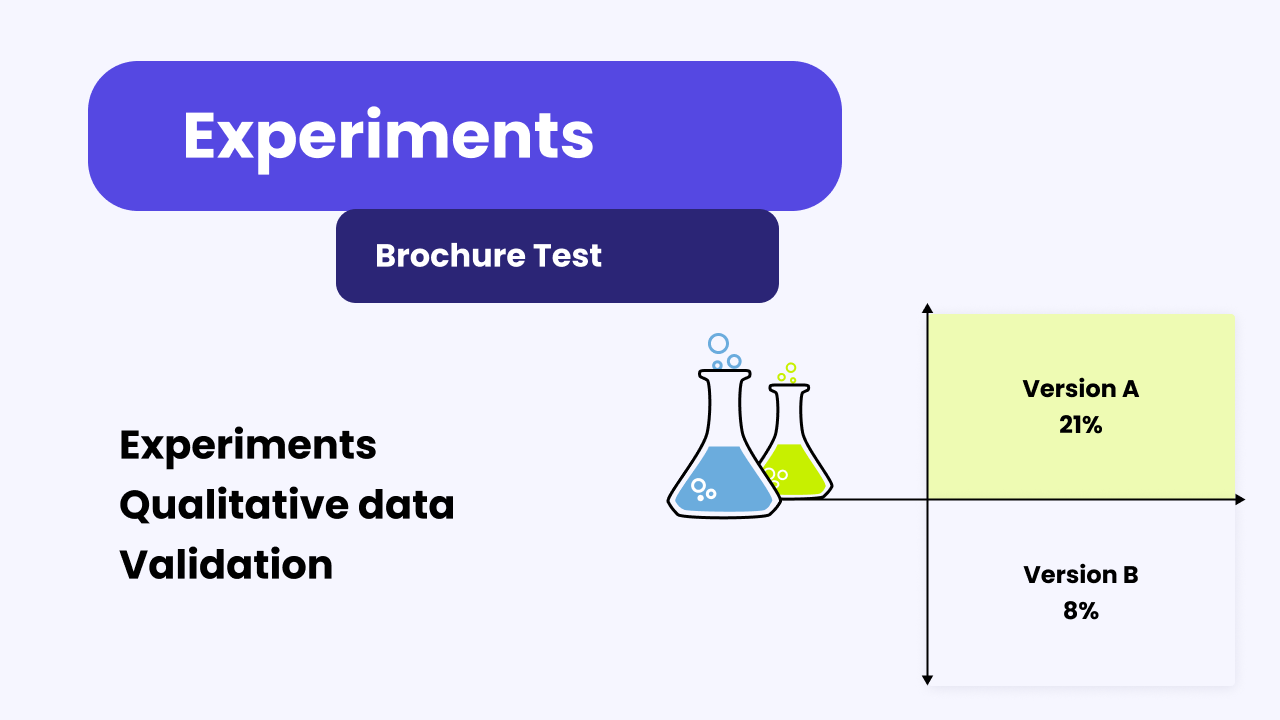
The Brochure method validates physical products: turn your value proposition into a brochure, present it to customers in person, and capture on-the-spot feedba…
 Experiments
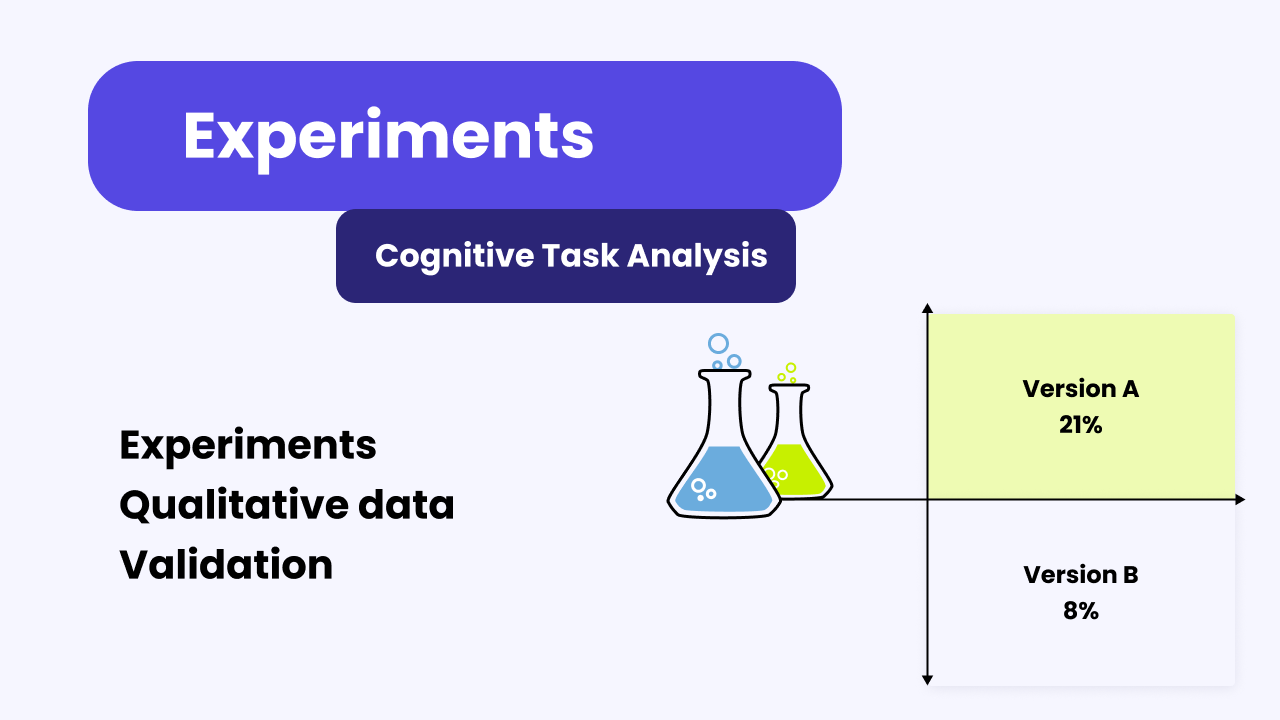
How to uncover the hidden thought processes, cues, and heuristics experts rely on, and turn them into a product value proposition.
 Innovation frameworks
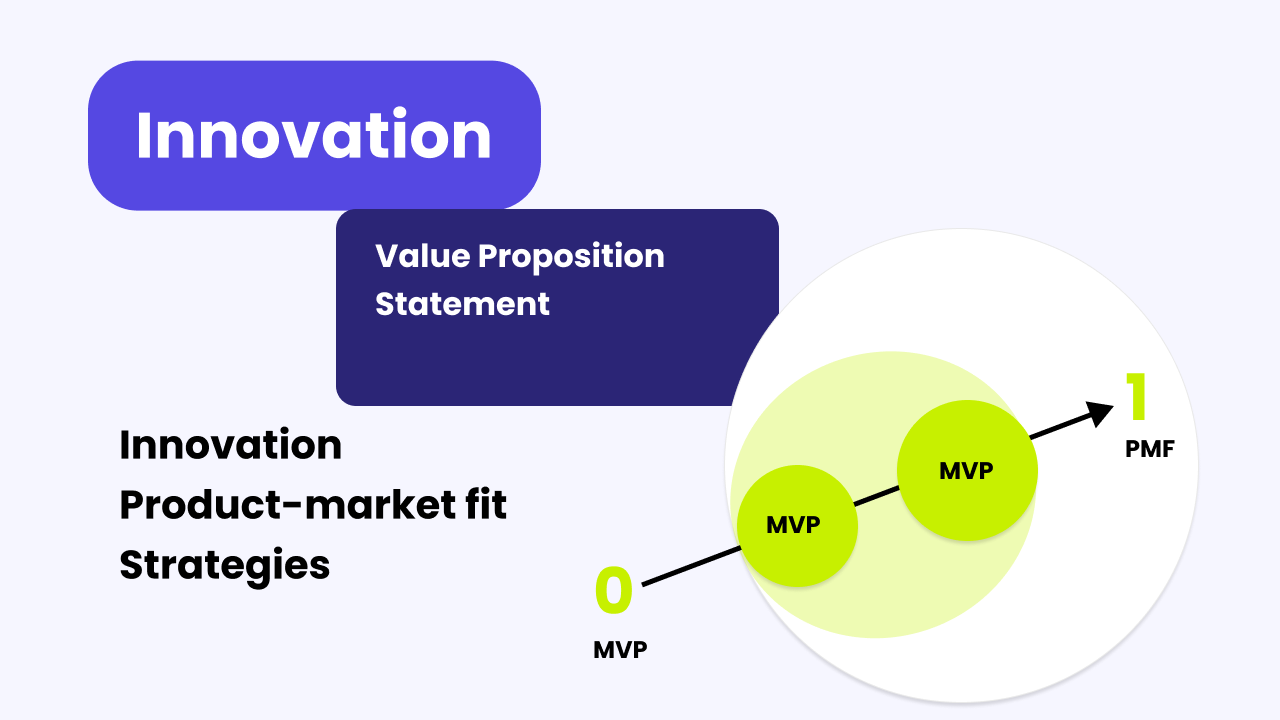
Creating a product value proposition using the Value Proposition Statement framework.
 Prioritization frameworks
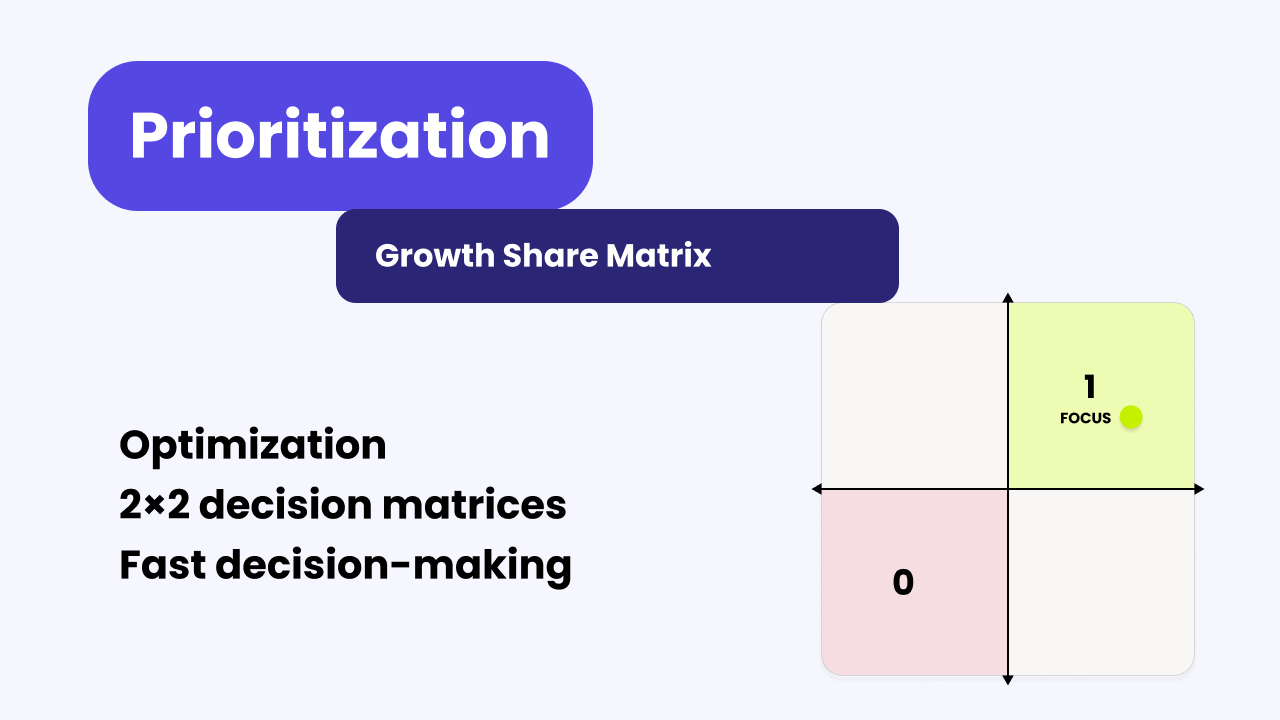
Prioritizing new product development using the Growth Share Matrix framework.
 Prioritization frameworks
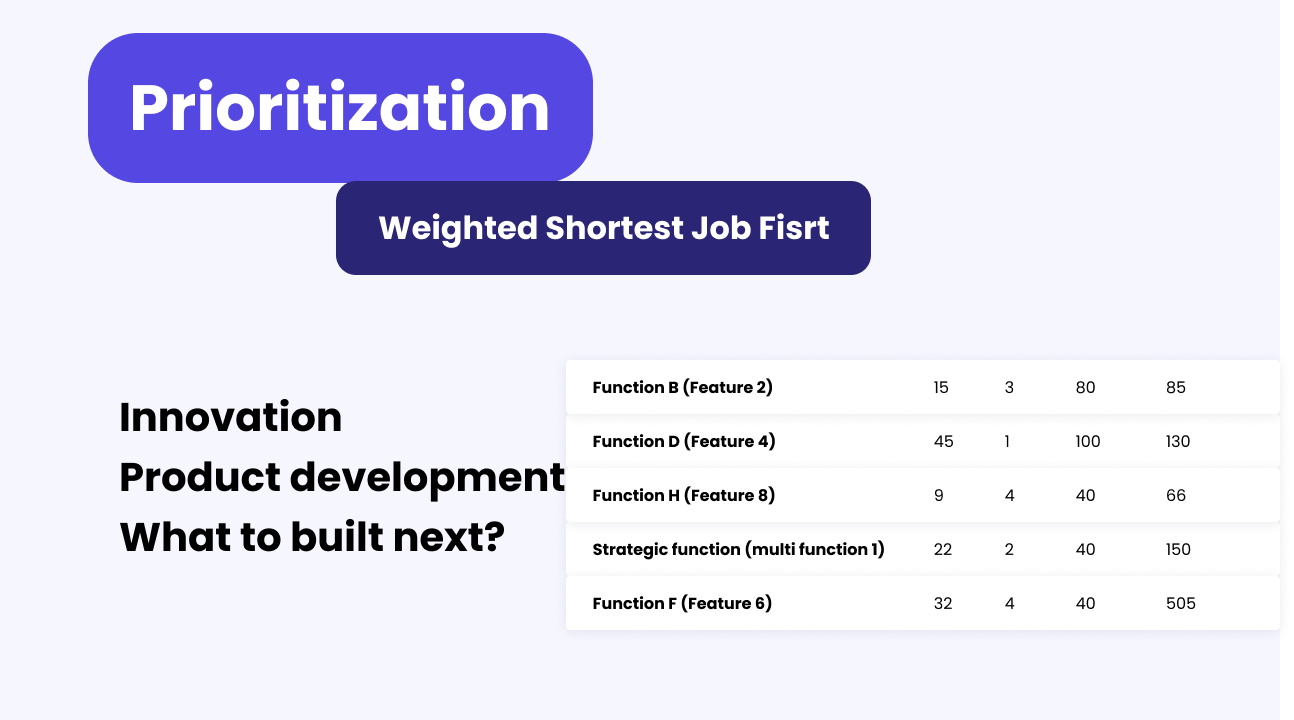
Prioritization framework (WSJF) for deciding what to develop next.
 Innovation frameworks
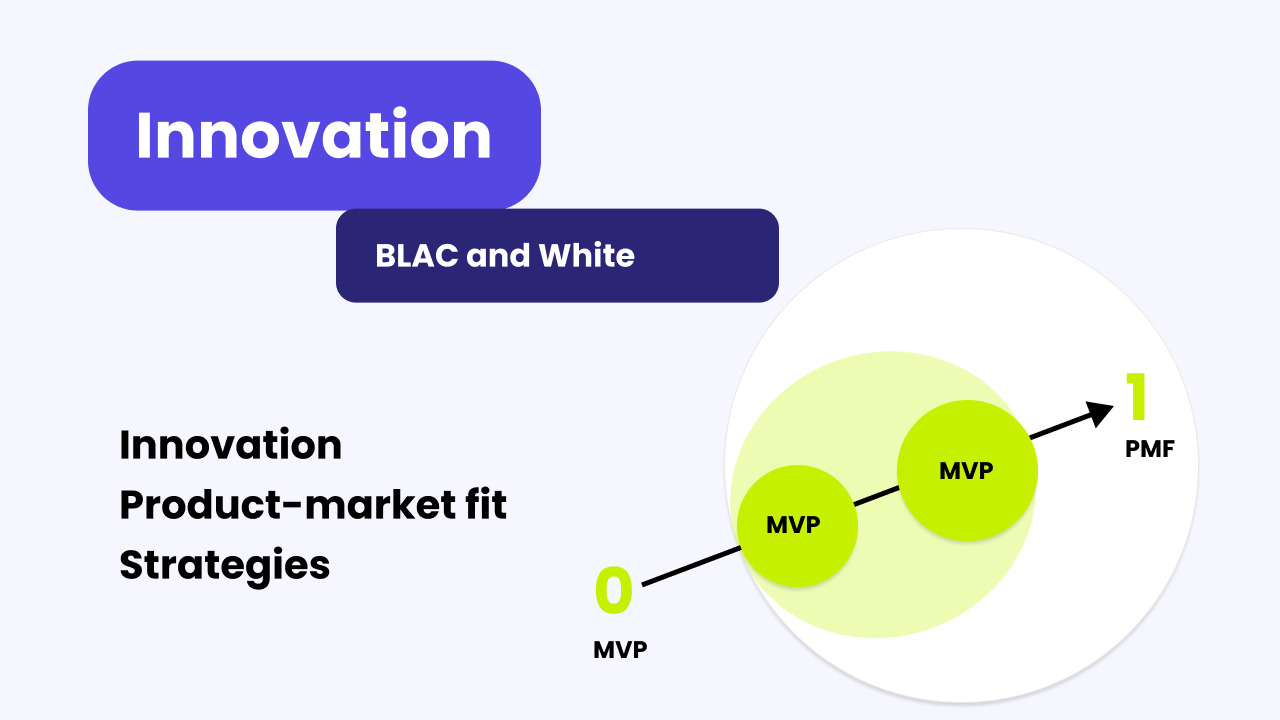
Identifying problems that are worth solving using the Black & White framework.
 Innovation frameworks
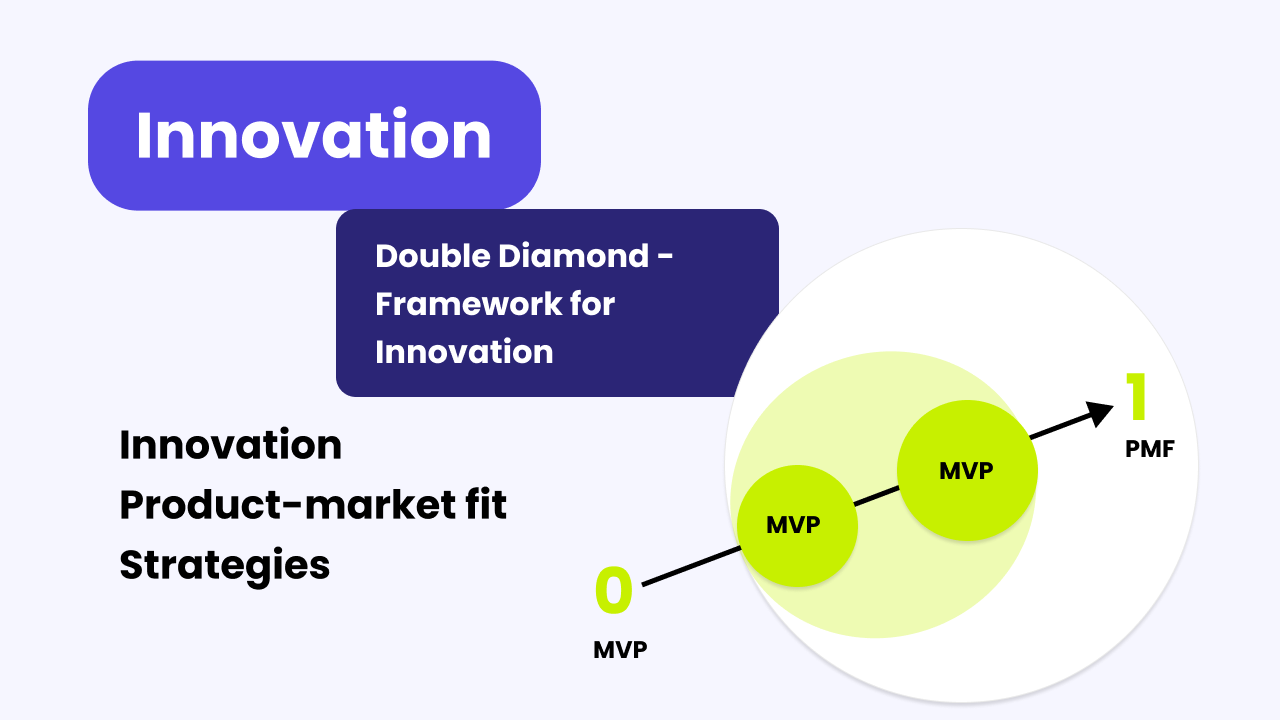
Explore the Double Diamond framework for innovation. Learn how its four phases help teams solve complex problems, improve products, and create user-centered so…
 Prioritization frameworks
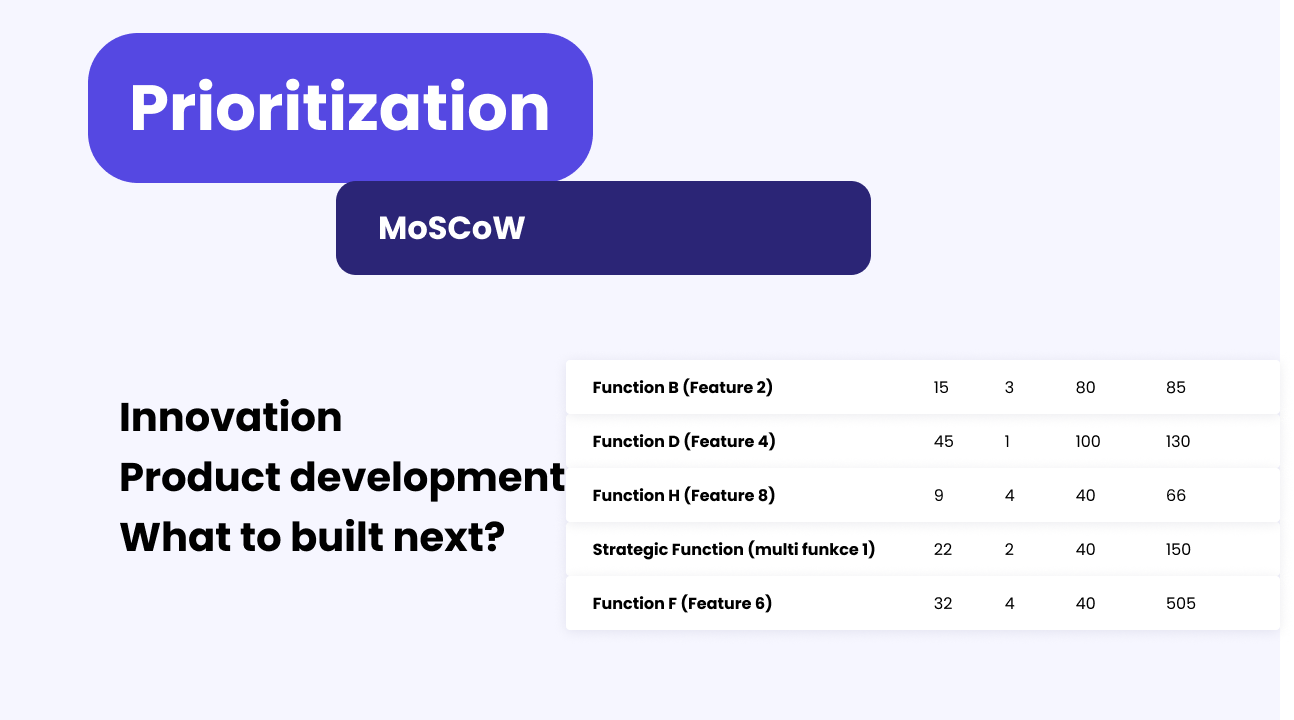
Product prioritization based on MoSCoW framework.
 Prioritization frameworks
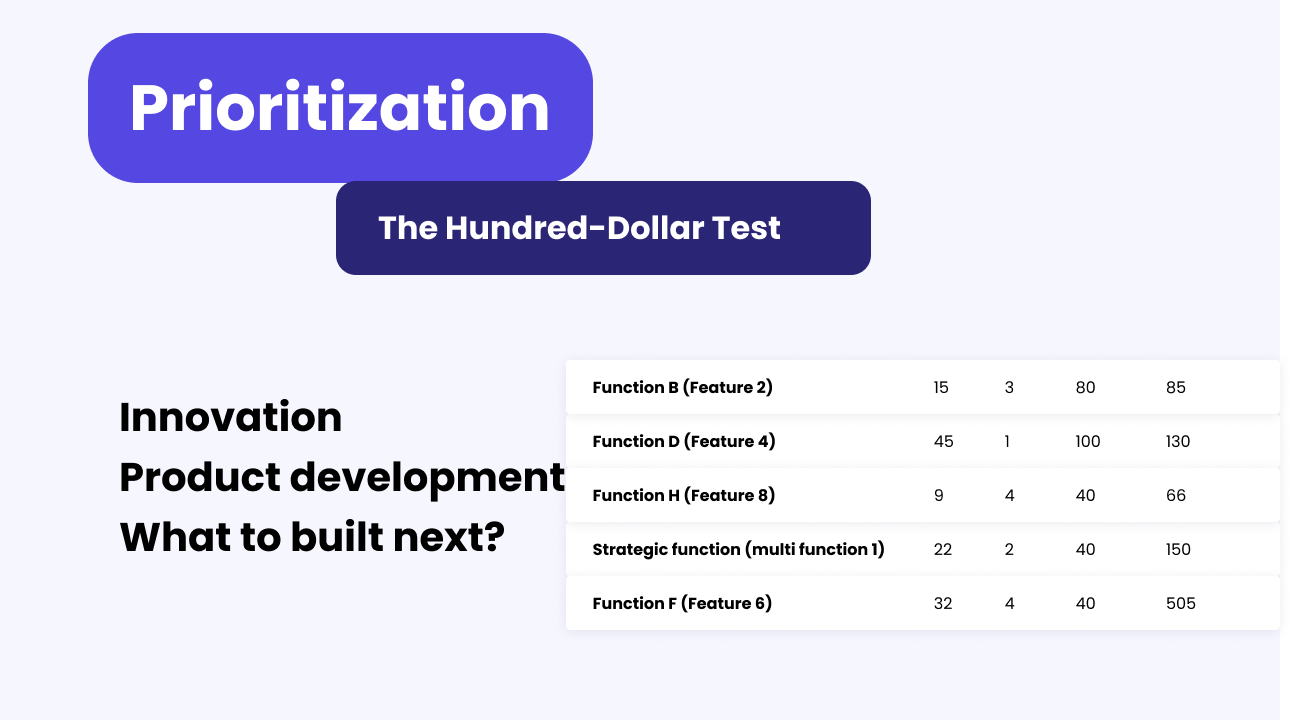
Finding valuable features using The Hundred-Dollar Test framework.
 Prioritization frameworks
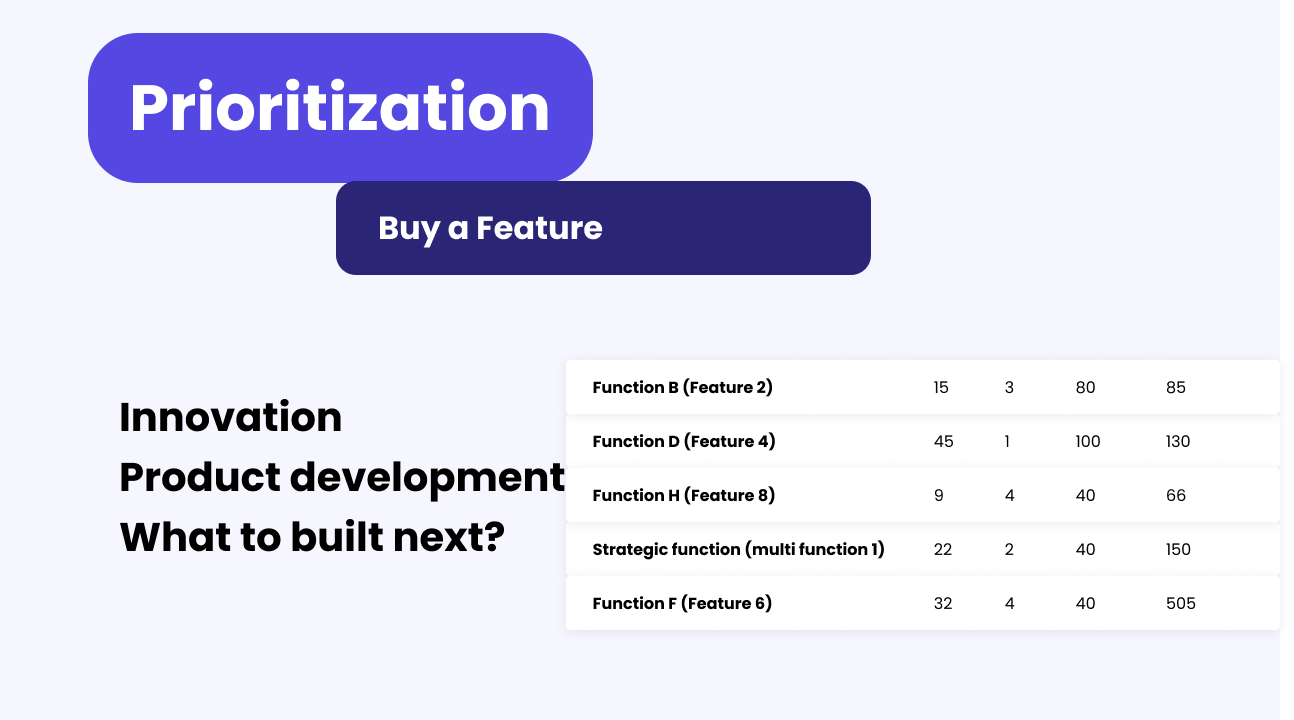
Finding valuable features using the Buy a Feature framework.
 Prioritization frameworks
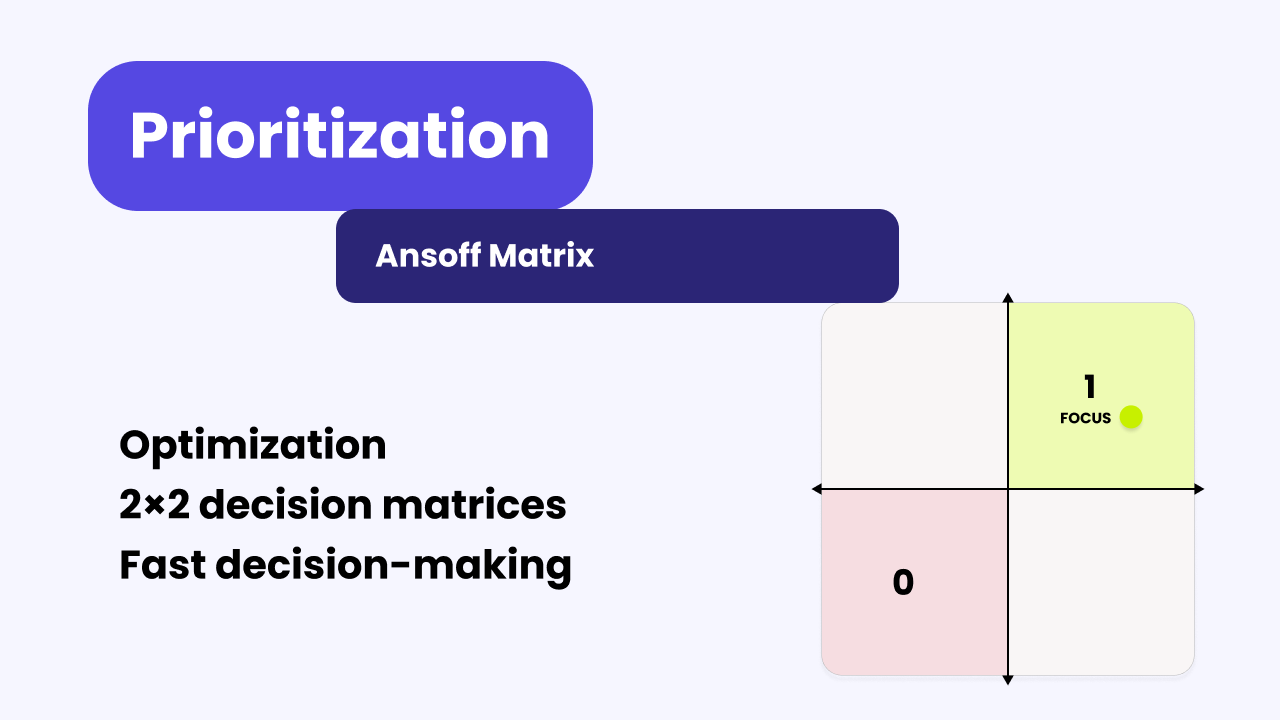
Prioritizing Company Growth and New Products Using the Ansoff Matrix Framework
 Prioritization frameworks
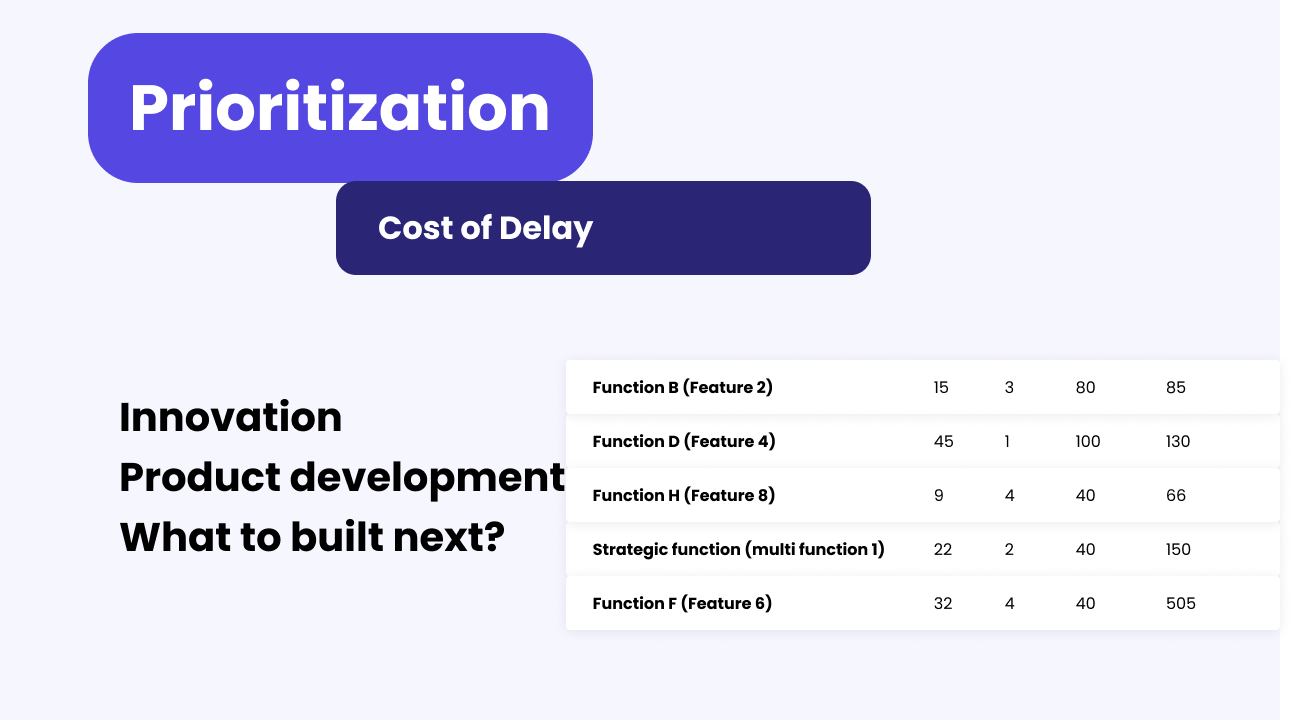
Cost of Delay a product prioritization method
 Prioritization frameworks
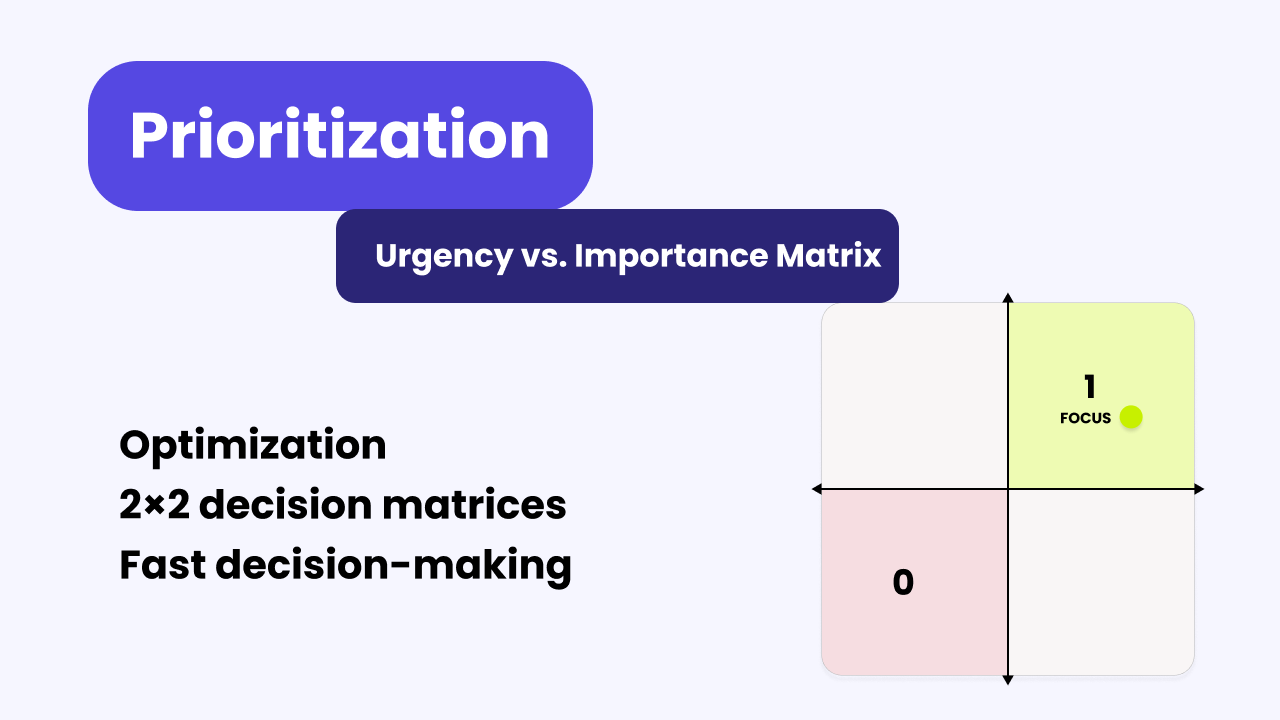
A 2x2 decision matrix based on estimated task urgency and importance.
 Prioritization frameworks
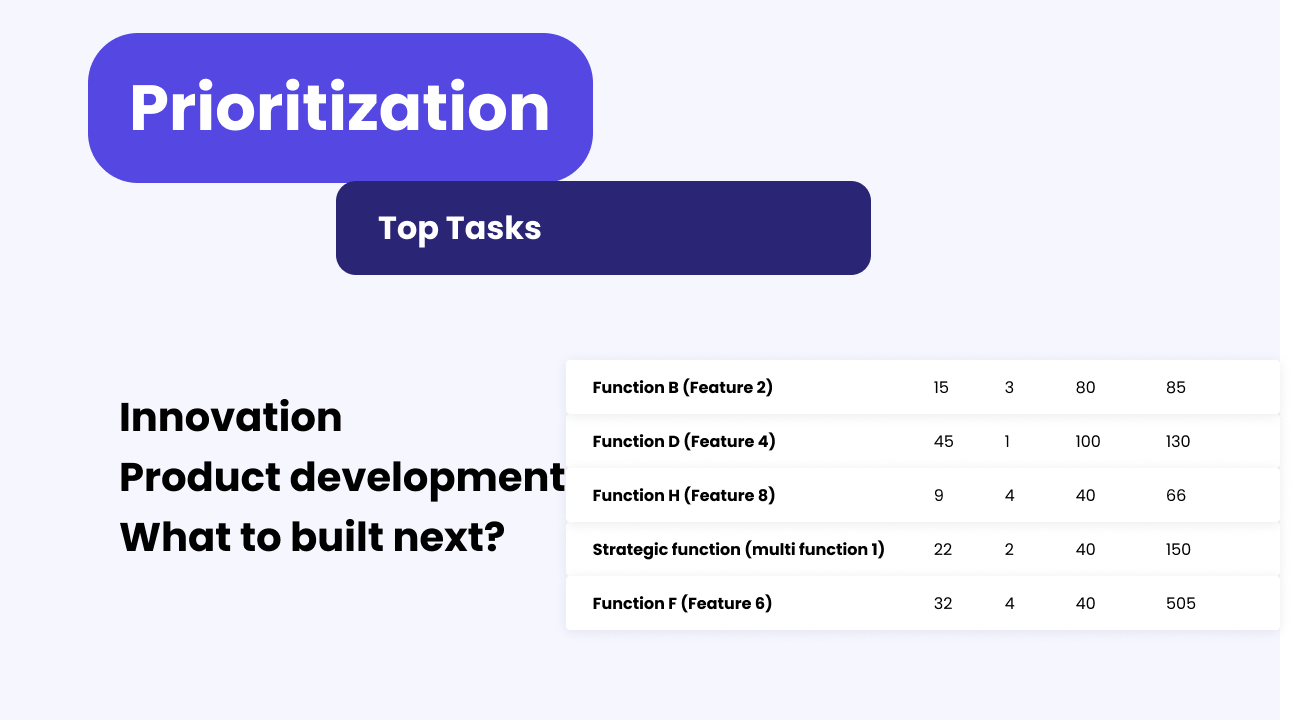
We prioritize user tasks based on the Top Tasks framework
Prioritization frameworksRICE prioritization framework for deciding what to develop next.
 Announcements
Just as anyone can now write software with ease, so too should everyone be able to design great products.
Get free product knowledge straight to your inbox.